Audio Visual System Design: Ensuring a Simple and Effective Solution

When designing an audio-visual (AV) system, the complexity and requirements will largely depend on your specific needs. Whether you need a basic setup for playing music in a retail store or a sophisticated system for integration video, sound, graphics, and text, the design should address your unique requirements.
Many people underestimate the intricacies involved in creating an AV system from scratch, often leading to wasted time and resources. This guide aims to assist those overseeing the installation or upgrade of an AV system to ensure that essential aspects are not overlooked, resulting in a streamlined and effective solution.
What is an Audio-Visual System?
An audio-visual system, or AV system, consists of electronic equipment designed to produce and present sound and video in various settings. These systems can range from simple setups to complex configurations involving lighting, stage machinery, curtains, and digital signage.
Key components of AV systems typically include:
– Data Projectors: These devices project images from a computer onto a screen. Projectors vary in brightness and throw distance, and for large installations, networked control can be a significant advantage.
– Sound Systems: These convert electrical signals into sound energy. They include components such as microphones, MP3 players, and loudspeakers, which together influence the overall sound quality.
– Input Devices: These include microphones, cameras, and other video sources that supply signals to the AV system.
– Control Systems: These electronic systems allow users to manage AV equipment through panels, touch screens, or other interfaces. These systems range from simple switches to sophisticated setups managing comprehensive audio, video, and lighting controls.

Why are Audio-Visual Systems Important?
In today’s world, AV systems have become essential for professional events and various venues. From corporate boardrooms and event spaces to training facilities and houses of worship, AV systems enhance the quality and efficiency of presentations and gatherings.
AV control systems have evolved significantly, transitioning from basic mixing desks and video switchers to advanced computerized systems that can automate multiple functions with a single command.
Benefits of modern AV systems include:
– Enhanced Creativity and Engagement: AV systems enable more dynamic and engaging presentations.
– Time Efficiency: Automated systems reduce the time needed for manual equipment setup.
– Improved Presentations: A well-designed AV system can greatly enhance the quality of your presentations.
Tailored Audio-Visual Solutions for Your Space
Creating an exceptional audio-visual experience is crucial for the success of your event. Whether you have a small room that requires a subtle AV setup or a larger space needing flexible and scalable solutions, our expert AV consultants are here to help.
Customized Design for Every Venue:
Our experienced AV consultants will assess your venue and develop a design that meets its specific requirements. Whether you need a brand-new system or an upgrade to your existing setup, we ensure it fits your needs perfectly. We also evaluate existing hardware to identify cost-saving opportunities through repurposing.
Space Evaluation: The First Step:
Understanding the unique characteristics of your space is essential for optimal AV system performance. Our consultants will conduct a thorough evaluation to ensure your system functions flawlessly and meets all your specifications.
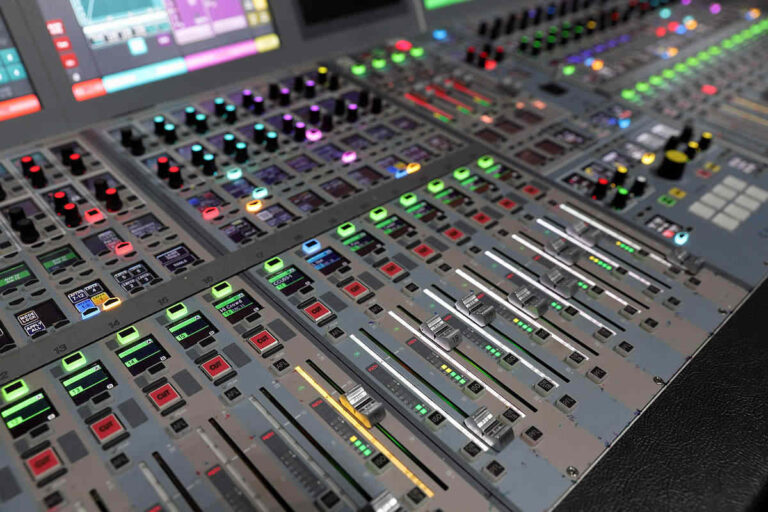
System Integration and “Smart” Devices
While designing your own audio-visual system might seem appealing, it’s often not the best choice.
An effective AV system seamlessly integrates lighting, audio, video, and other behind-the-scenes elements. For optimal performance, these components must communicate intelligently. Automated systems help minimize issues caused by users unfamiliar with the technology.
Audio-Visual systems are essential for events, conferences, and more. Consulting with an expert ensures your system is tailored to your specific needs.
Flexibility in AV System Design
Your AV system should be designed with flexibility in mind. AV control systems provide more than just audio and video—they form the foundation for all other integrated elements.
Key Considerations for Flexibility:
– User Connectivity: Determine how much flexibility your system needs.
Will users need to connect their own devices? What types of devices should the system accommodate?
– Adapting to Technological Advances: Technology is constantly evolving.
For example, teachers have transitioned from using overhead projectors to interactive, internet-connected smart boards. Your AV system design should incorporate the latest technology.
– Future-Proofing: Upgrading your AV system can be time-consuming and costly.
A well-designed system should allow for easy upgrades as new and better technology becomes available.
Questions to Consider:
– Will people want to plug in their own devices?
– What does your system need to do?
Given the rapid pace of technological change, a flexible AV system design is essential.
User-Friendly AV Systems
Your AV system should be easy to operate, accommodating the varying technological skills of your employees.
Simplicity and Functionality:
Regardless of their experience level, your AV system should be user-friendly for everyone. A complex system may drive employees to seek alternatives, but a well-designed, modern system offers intuitive interfaces that deliver the needed functionality with minimal effort.
Training and Flexibility:
Even with a user-friendly system, employees will require training on best practices and the various options available. The AV system should feature a simple user interface that provides the desired functionality with minimal interaction. Additionally, it should be flexible enough to adapt to new technology.
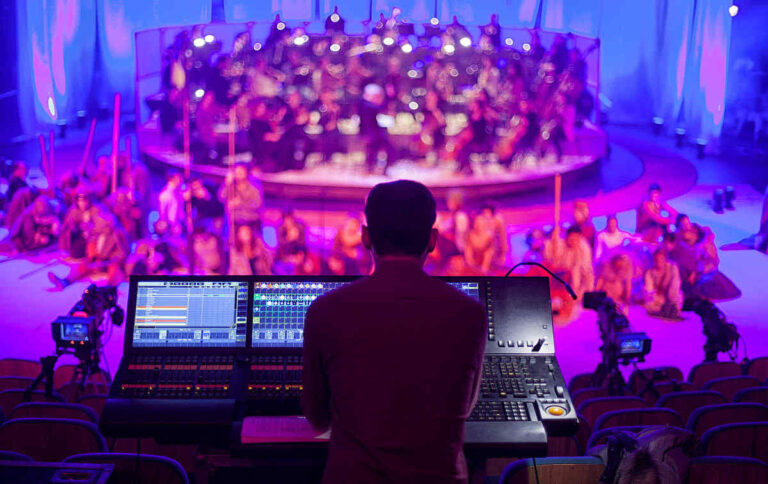
Low Maintenance AV Systems
Nothing is more frustrating than constantly malfunctioning audio and visual devices. Audiovisual solutions should simplify life, not complicate it.
Reliable and Efficient Design:
A well-designed AV system requires minimal maintenance, no matter how frequently it is used. Large organizations may have IT professionals to handle computer and internet issues, but their time shouldn’t be consumed by a poorly designed AV system.
Time-Saving Solutions:
Your AV system should be low maintenance and efficient, ensuring it doesn’t waste anyone’s time.
Designing a Successful Audio-Visual System
Audio and visual systems have become integral to our everyday lives. Given the complexity of modern technology and the importance of behind-the-scenes elements, it’s crucial to consult with an experienced AV designer before investing in a system for your company.
Overcoming AV Challenges:
AV technology can sometimes get a bad rap due to issues like disconnected devices or unexplained malfunctions. These frustrations can deter people from using audiovisual systems.
The Value of Expertise:
With a skilled audiovisual integrator, you’ll have a system that is simple and effective, making it accessible even to the least technically inclined users. In conference rooms, classrooms, theaters, or boardrooms, a well-designed AV system can enhance efficiency and improve presentation options.
Conclusion
An AV system is a cornerstone of effective communication and presentation. Whether accommodating diverse devices or staying updated with technological advancements, a well-designed AV system should be adaptable and user-friendly. Investing in a system that allows for easy upgrades and provides a seamless experience will benefit your organization in the long run.